
Written by: Dominic Clark-Roberton
May 2026
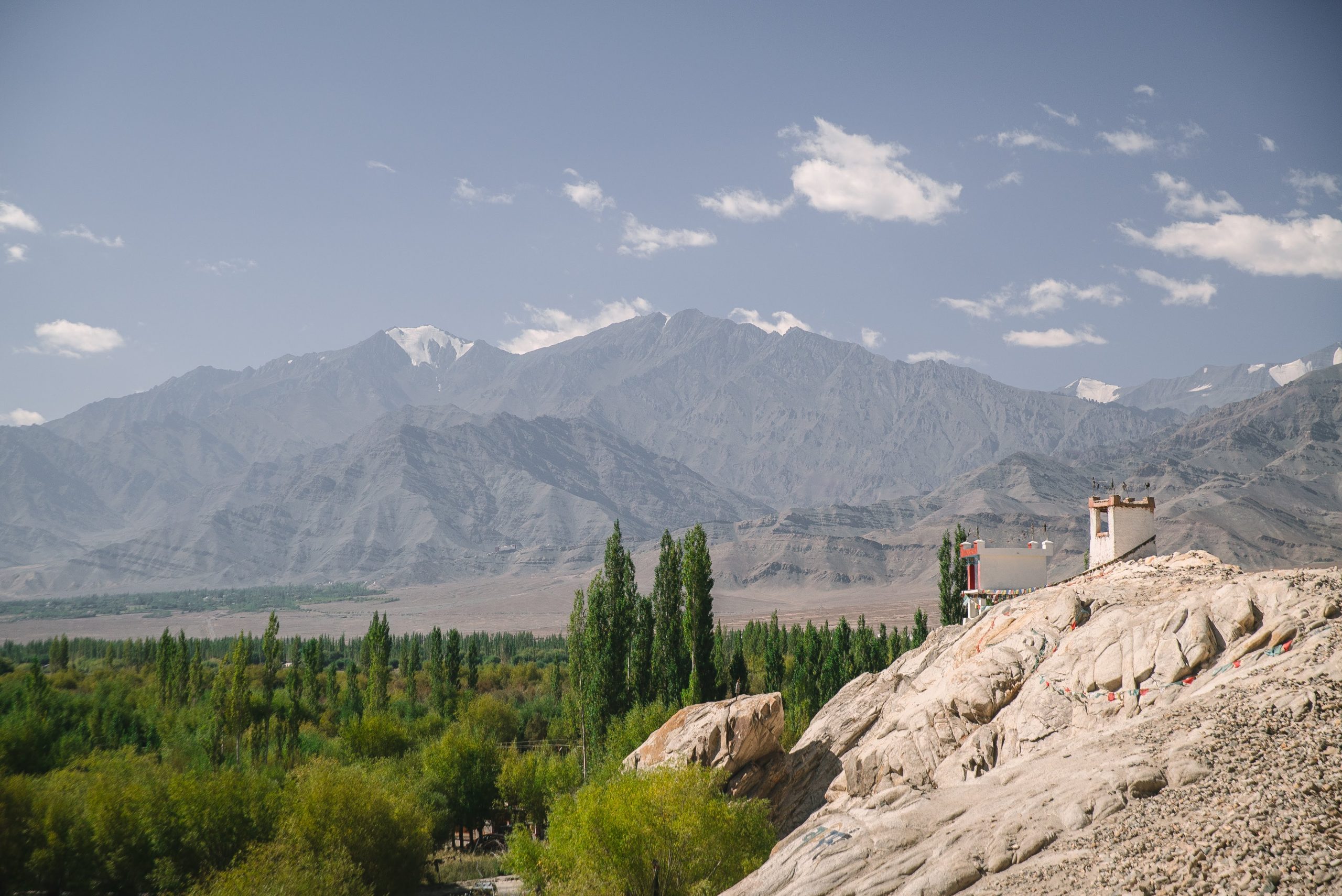
Global Dental Relief (GDR) returned to Ladakh in May 2026. Based in the town of Leh, our work combined clinical dental care for children with a post-clinic excursion to Nubra Valley via the Khardung La Pass, the second highest motorable road in the world, reaching altitudes comparable to Everest Base Camp.
The team comprised dentists, dental hygienists, and assistance provided by general volunteers, comprising both dental school applicants and volunteers from non-dental backgrounds, including willing friends and family!
The group quickly developed a shared rhythm despite varied clinical experience, with acclimatization to high altitude being an initial priority, supported by the hospitality and food provided by local partners. There is nothing a bowl of thukpa soup and momos can’t solve!
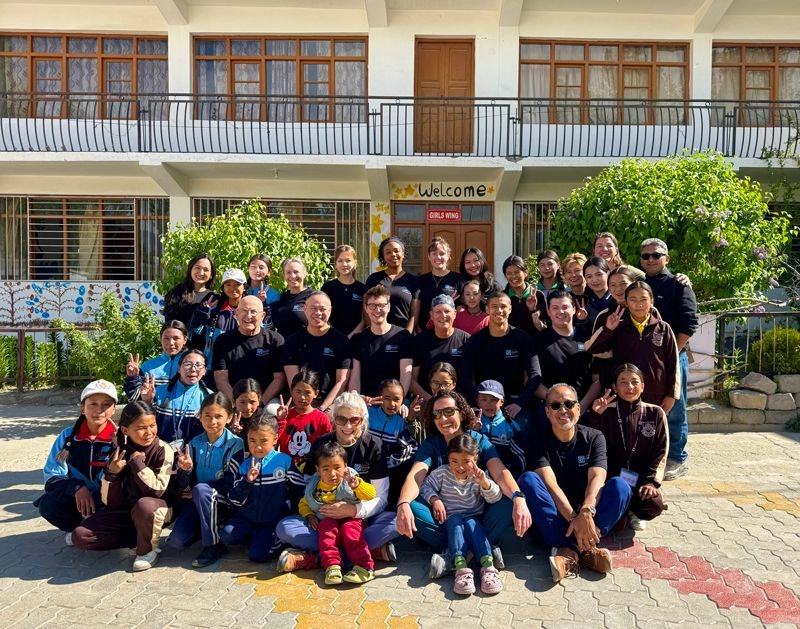 Life in Leh moves at a slower pace, which provided the backdrop to the clinical work. The strong Buddhist culture visible in monasteries, stupas, gompas, prayer flags, and monks going about daily routines—framed the environment in which care was delivered rather than existing as a separate context.
Pit and fissure caries were prevalent among the children seen. With no radiographic facilities available, lesions were identified through careful clinical examination. Identifying Mulberry molars and Hutchinson Incisors for the first time, will be a clinical memory that for me, will last a lifetime!
Risk factors: A combination of anatomical vulnerability of deep fissures, variable fluoride exposure, limited access to preventive interventions such as fissure sealants and dietary patterns involving frequent fermentable carbohydrate intake directed the treatments the population would benefit from most.
Due to a recent restriction on the use of amalgam in Ladakh, a great step in environmental preservation of this scenic region, this was GDR’s first composite-only clinic, meaning white fillings for every child!
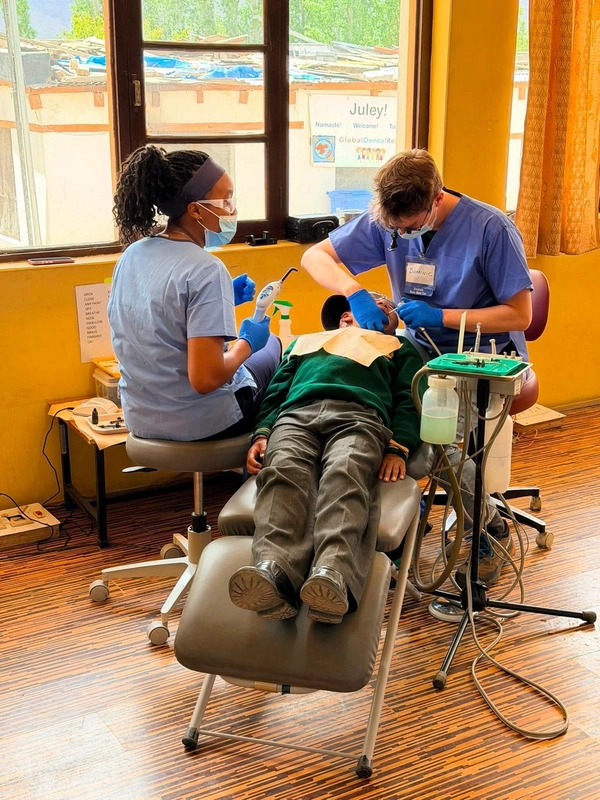
Restorative clinical work consisted of fissure sealants, preventive resin restorations (PRRs), and composite restorations. In addition, silver diamine fluoride was used in selected cases to help arrest carious lesions.
A significant proportion of care was delivered to children receiving dental treatment for the first time. Oral health education, particularly focusing on brushing habits and diet, was a key focus of the team, delivered through interactive demonstrations and simple games.
 One of the most memorable aspects of the outreach was the response from local children. On arriving at the clinic one morning, the children presented the team with traditional white silk scarves and a handmade appreciation book, reflecting a strong sense of community connection beyond the clinical setting.
Travelling across the region to Nubra Valley via Khardung La Pas added another dimension to the experience following clinics. Roads wound through mountain valleys, passing monasteries, small settlements, and a striking transition into cold high-altitude desert shifted constantly in colour and scale. Yaks roamed freely across grazing land.
Nights in Nubra were particularly notable, with exceptionally clear skies and dense visibility of stars due to minimal light pollution. The contrast between the silence of the valley and the scale of the night sky was for me, a lasting impressions of the trip.
The trip combined dental care delivery with exposure to a region rich in both geography and culture. Through Global Dental Relief, children receive continuity of care long after individual outreach teams leave the valley.
I would like to extend my deep gratitude to Global Dental Relief’s Local Partners, trip leaders Becky Bay and Mark Lisagor who made every member of the team feel warmly welcomed.